How Tall Is That SSS Boulder? Measuring Acoustic Shadows Without False Precision
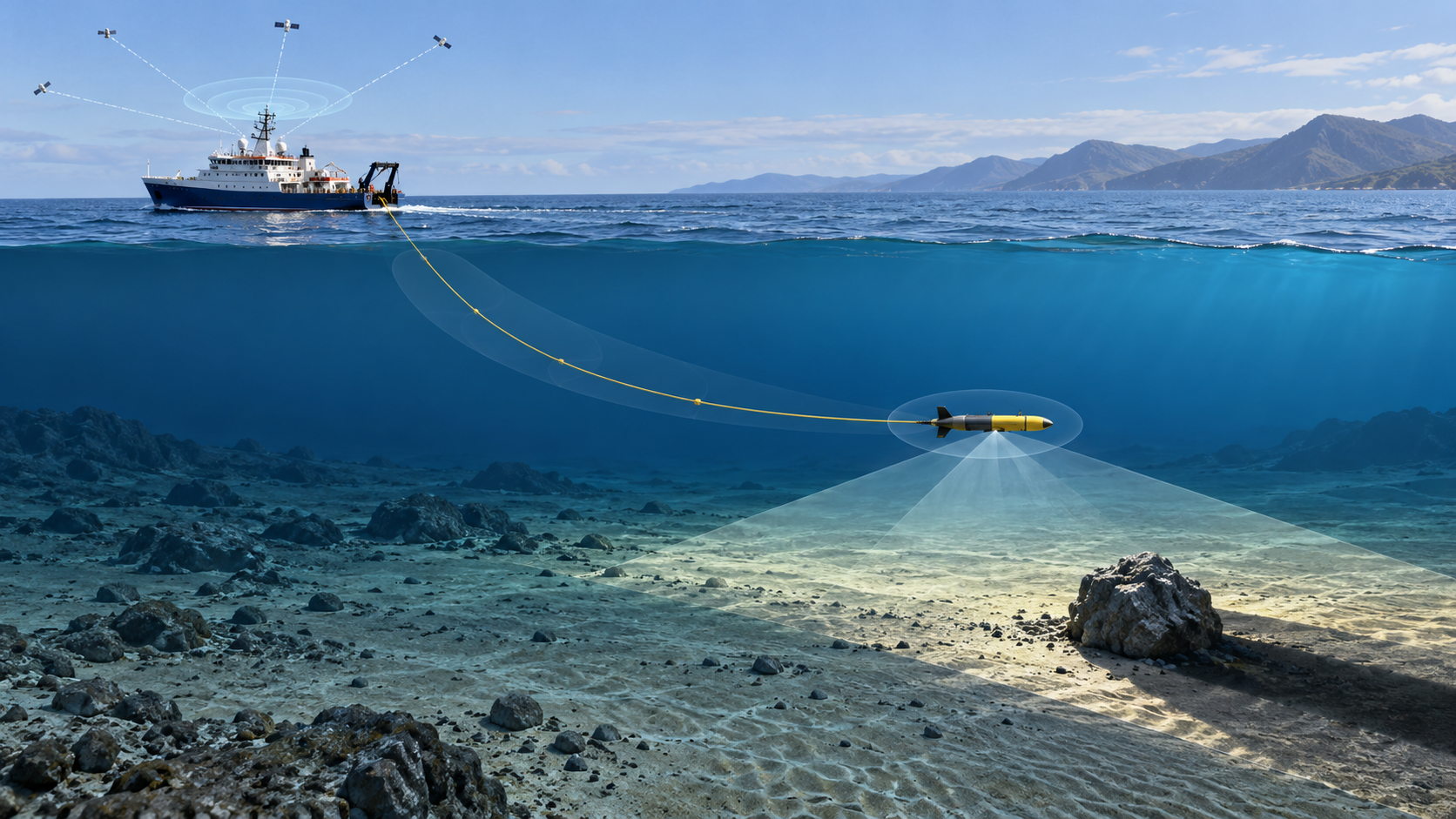
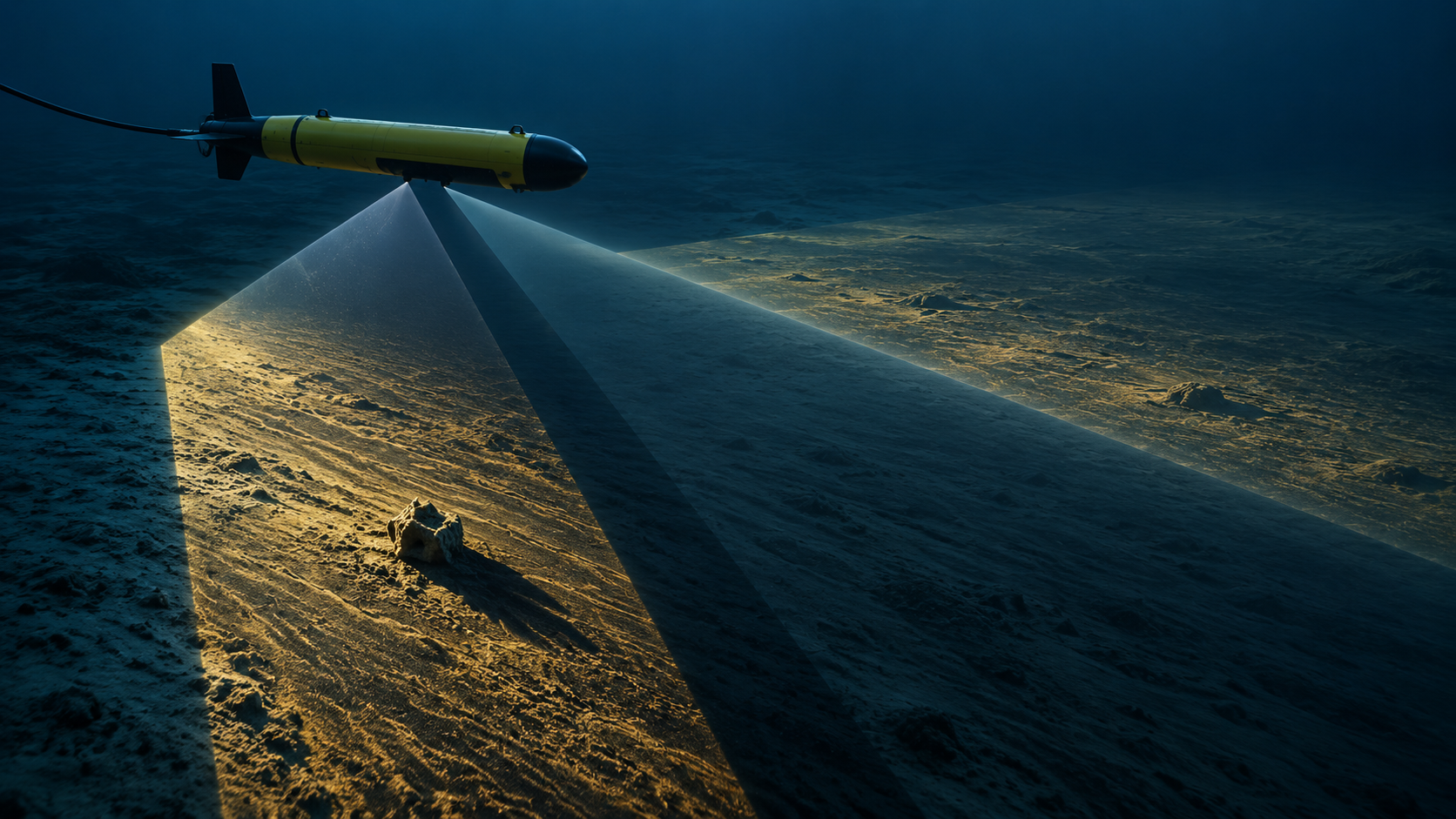
The dark shape behind an SSS boulder is a measurement opportunity, but only if its geometry is understood. A long acoustic shadow…

Case studies and technical notes on multibeam, side-scan sonar, sub-bottom, UHRS and magnetometer data.
The dark shape behind an SSS boulder is a measurement opportunity, but only if its geometry is understood. A long acoustic shadow…
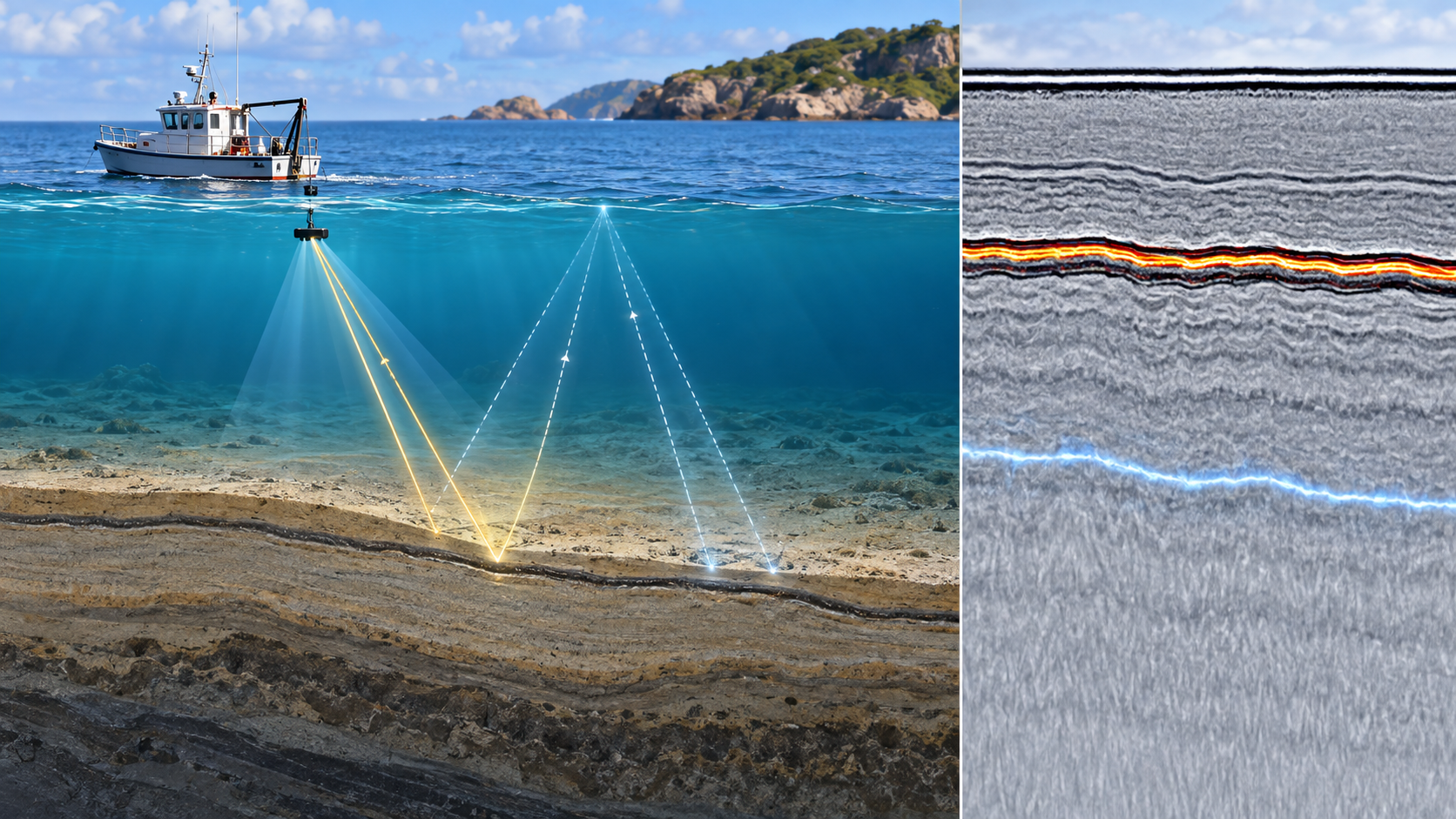
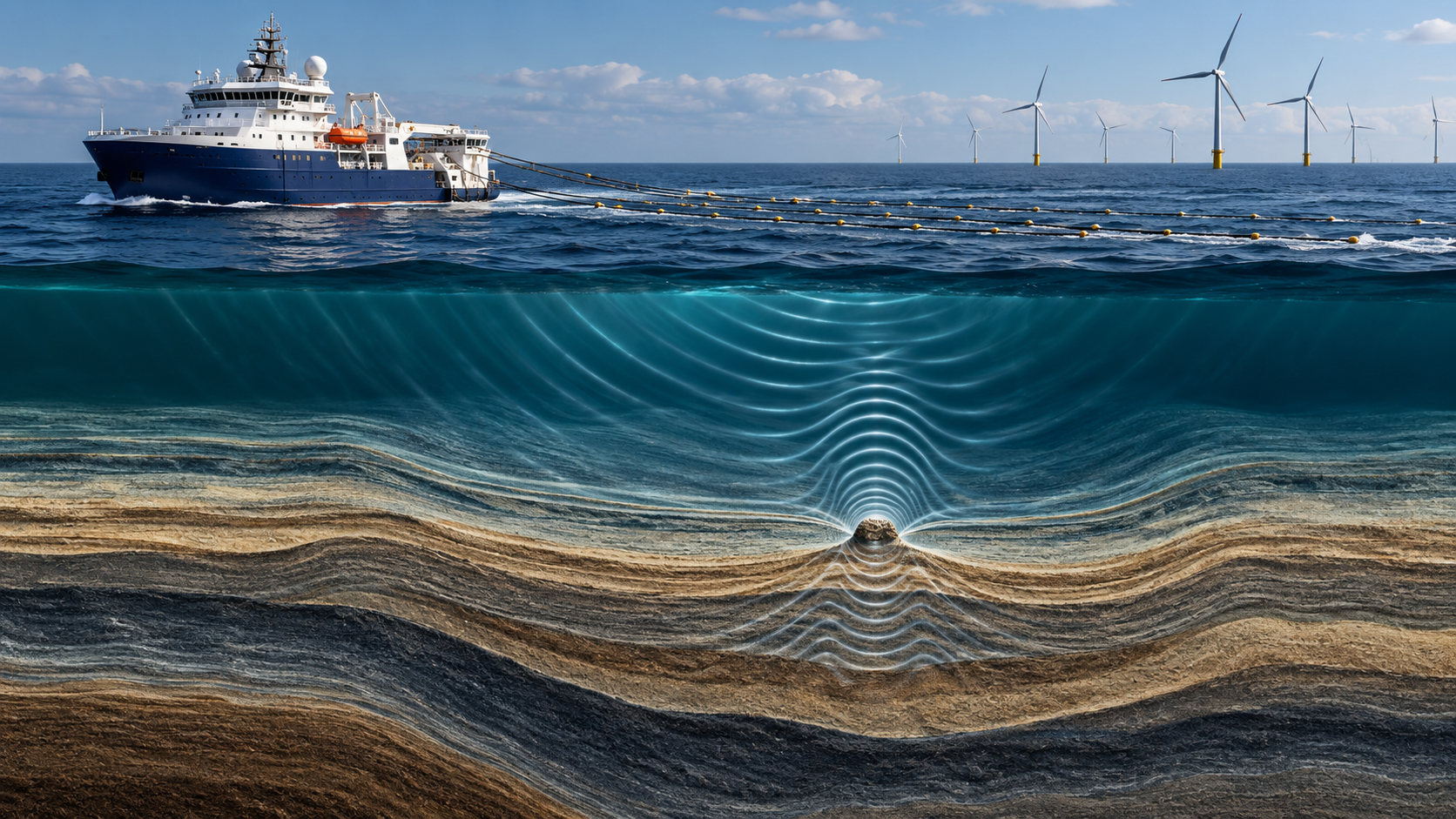
A second bright band below the seabed may be a ghost of the seabed, not a buried hard layer. In shallow-water sub-bottom…
A cable can have adequate cover at installation and insufficient cover years later without the cable moving. Where sand waves migrate, the…
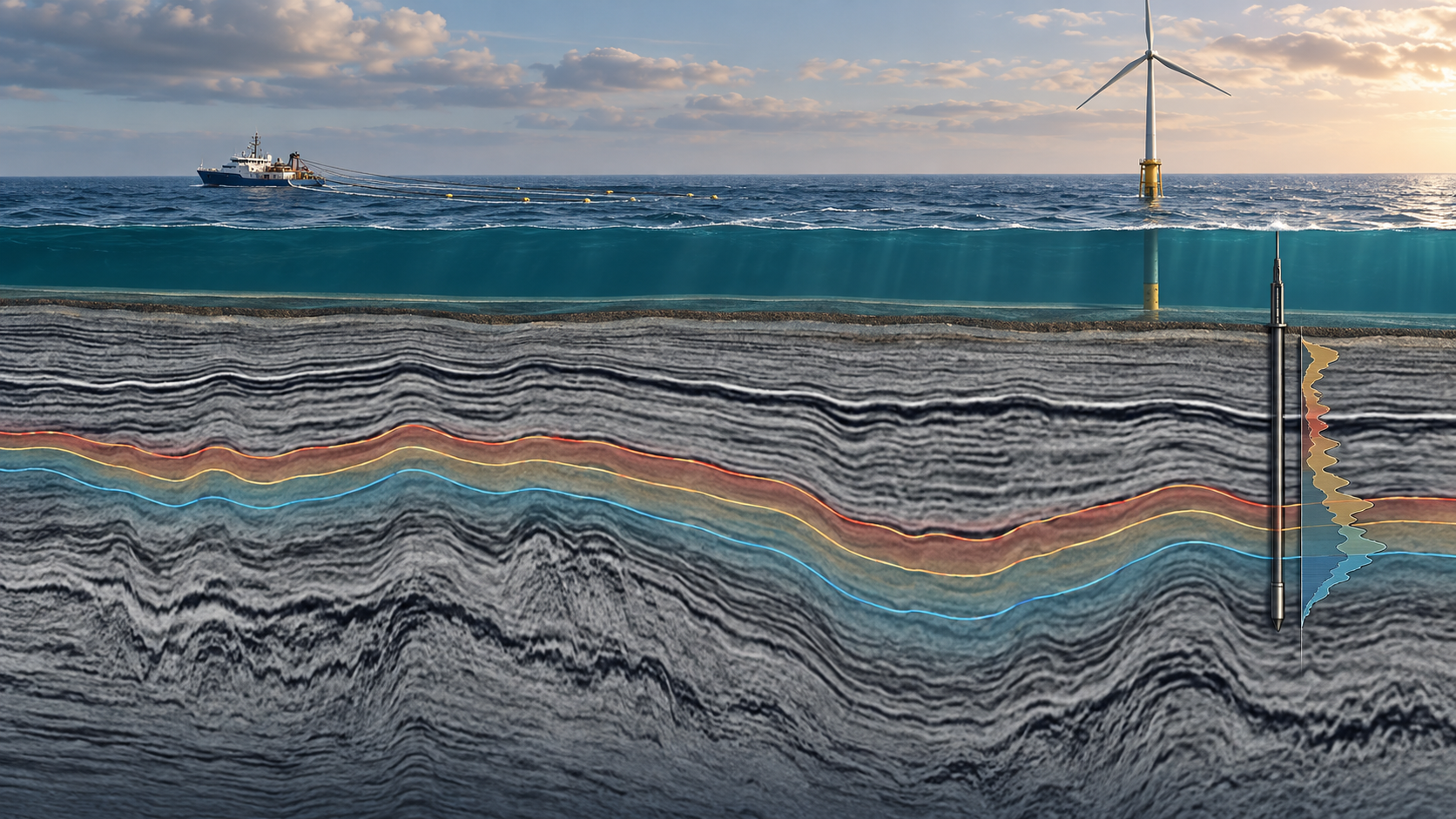
A seismic horizon at 20 milliseconds below the seabed is not inherently 15 metres deep. Converting two-way travel time to depth requires…
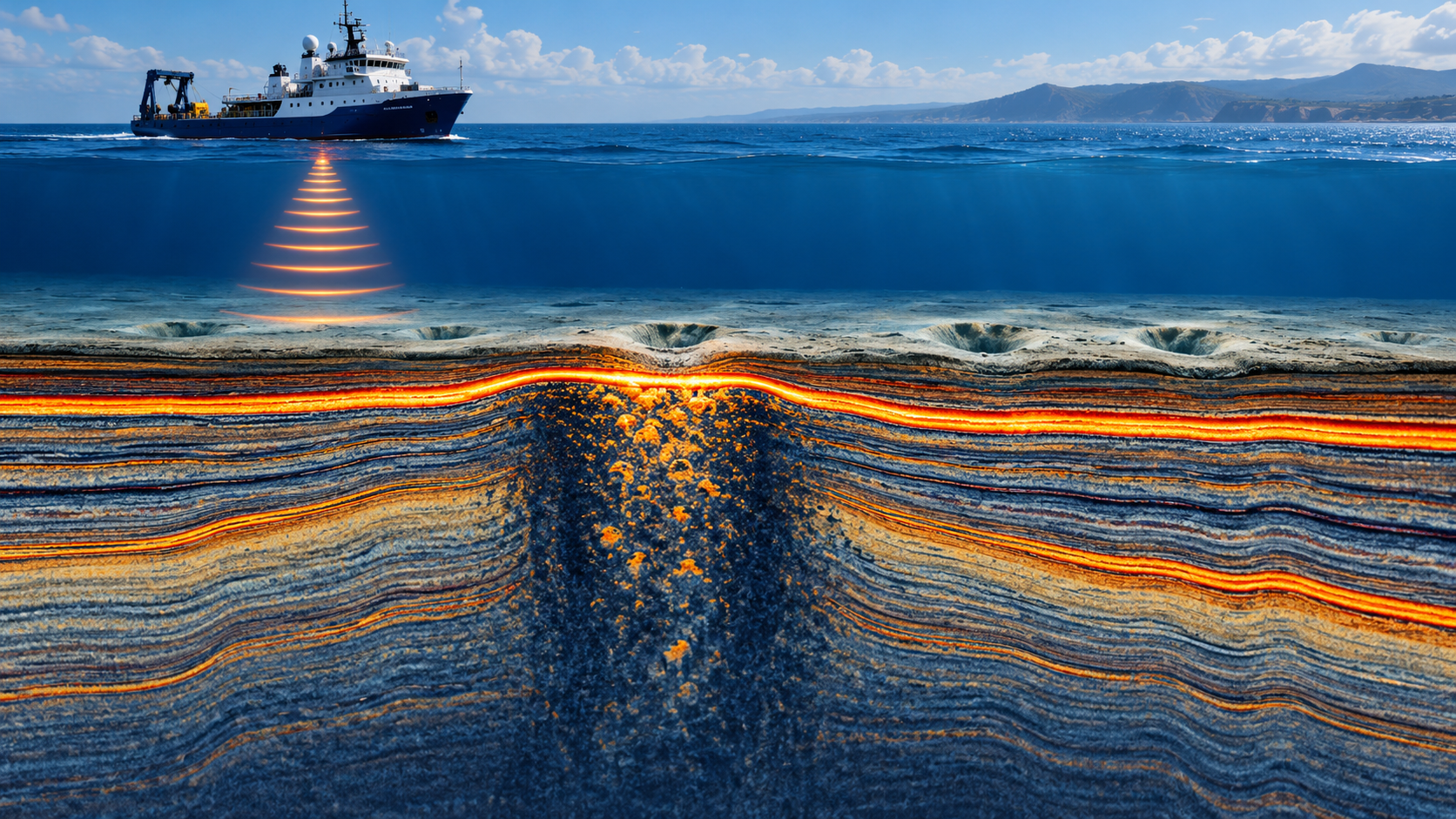
A dark or transparent wedge beneath an SBP reflector is not a mapped excavation surface. It may be an acoustic shadow produced…
A cable route can look clear on a side-scan sonar mosaic while a real obstruction is plotted several metres away from its…
A bright spot on 2DHR seismic may be a boulder, a small channel edge, a side-scattered reflector or a processing artefact. Reflection…
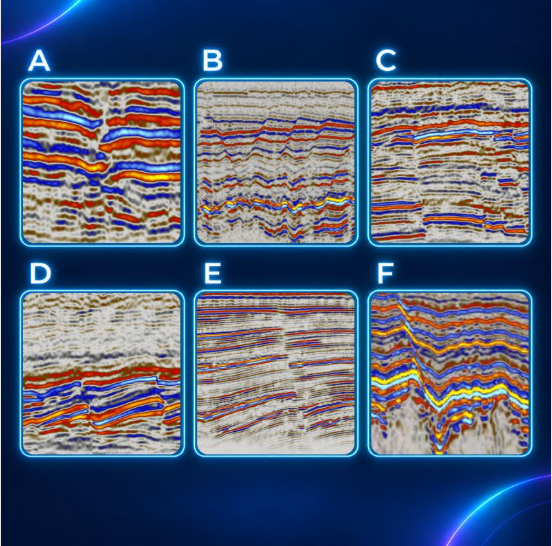
A six-panel seismic challenge asks which sections are synthetic. The figure alone cannot confirm panel identities; this case study explains physics-based realism,…
A 5 cm mosaic pixel does not prove that a 20 cm object can be detected across the whole SSS swath. Survey…
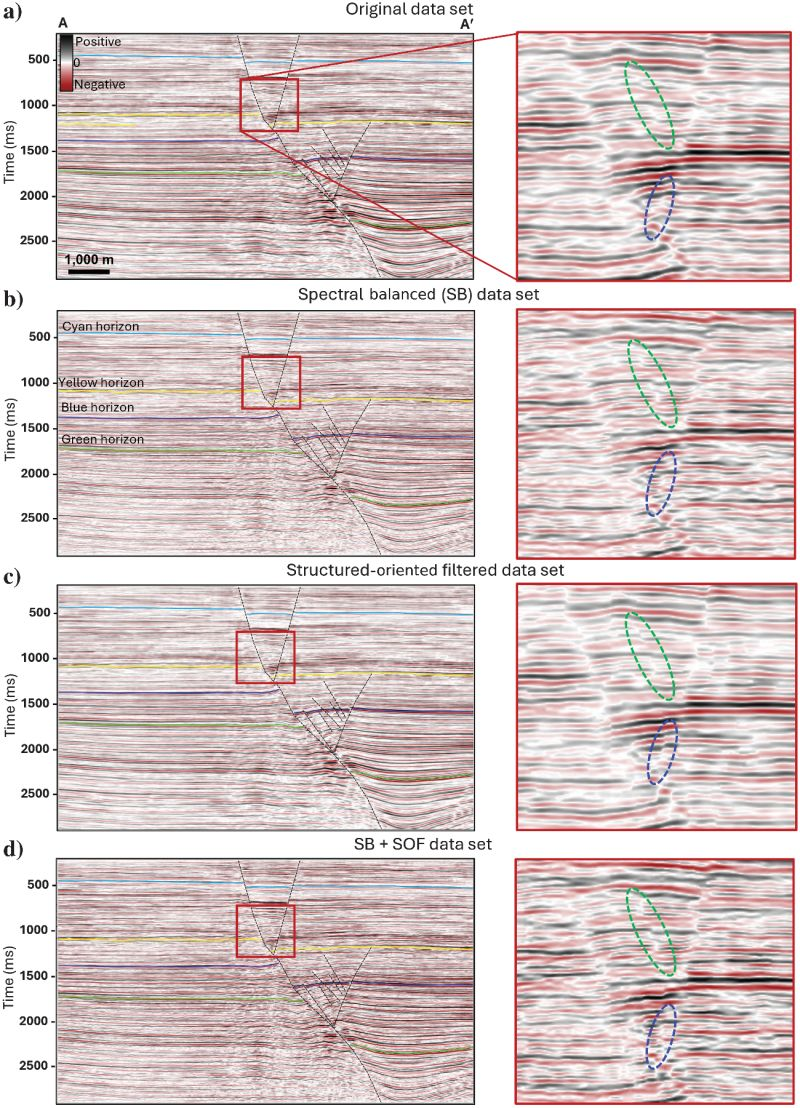
A practical case study of spectral balancing followed by structure-oriented filtering on a merged seismic dataset: what became clearer across the survey…
Tell us the sensors, line kilometres and deliverables. A geophysicist reviews every request, and your data and documents stay confidential.